



You’ve spent a fortune on brightening serums and Vitamin C, yet those stubborn dark spots keep returning. Why is hyperpigmentation so difficult to clear?
The truth is, fading dark spots is more complicated than treating a simple surface-level issue. When excess melanin overproduces and clusters in one area, it creates the spots we see. Think of a dark spot like a pencil: what is visible on the skin's surface is just the pencil tip. While you can exfoliate or remove the tip, the rest of the pencil (the deep-seated pigment-producing mechanisms) remain active underneath.
To target dark spots effectively, you need a comprehensive hyperpigmentation treatment routine that stops excess melanin production at the source and prevents its recurrence.
Four Stages of the Hyperpigmentation Lifecycle:
If you want to clear stubborn dark spots, you must treat them at every stage of their lifecycle. Here is how hyperpigmentation forms and skincare ingredients you need to target it at every step.
Stage 1: Melanin Activation
Before a dark spot ever appears, your pigment-producing skin cells (melanocytes) need to be triggered. Stopping this initial activation is your first line of defense against stubborn discoloration.
Common Hyperpigmentation Triggers:
UV Radiation: The primary trigger for dark spots
Visible Light: High-energy visible (HEV), most notably from the sun
Hormonal Shifts: Often triggers melasma, a deeper form of hyperpigmentation
Heat: Saunas, hot yoga, and intense sun exposure can trigger pigment-causing cells, especially in melasma-prone skin
Inflammation: Post-inflammatory hyperpigmentation (PIH) caused by acne, injury or harsh treatments.
How to Prevent Melanin Activation:
Broad-Spectrum Sunscreen: Apply daily sunscreen with high UVA and UVB protection; don’t forget to re-apply every two hours
Physical Protection: Wear UPF clothing and wide-brimmed hats to block physical rays
Keep Skin Cool: Limit exposure to intense heat sources (like steam rooms or saunas)
Antioxidants: Use a daily Vitamin C serum to neutralize free radicals and UV-induced oxidative damage
Stage 2: Melanin (Pigment) Synthesis
Once triggered, the "factories" that produce melanin (pigment) deep within your skin go to work. An enzyme called tyrosinase is responsible for synthesizing this excess pigment. You can slow down or halt this process by using the following ingredients in your daily routine.
Tranexamic Acid: Calms inflammation and targets the pathways that trigger tyrosinase which results in melanin synthesis.
Kojic Acid: Naturally derived from fungi, it chemically prevents tyrosinase from activating.
Licorice Root Extract: A gentle, plant-based brightener that halts pigment production.
Stage 3: Pigment Transfer
If pigment synthesis isn't stopped, the melanocyte package (melanosome) travels up through the skin to your surface cells. This is when pigment is transferred to skin cells and gets ready to make its appearance on the surface.
To prevent this transfer, you need a targeted ingredient that acts as a roadblock.
Niacinamide (Vitamin B3) is clinically proven to limit the transfer of pigment to your surface skin cells, keeping hyperpigmentation at bay.
Stage 4: Surface Pigmentation
This is the stage, when dark spots settle on the surface, that most people focus their brightening efforts. As we now know, this is not the whole picture. Trying to exfoliate a dark spot without addressing Stages 1–3 is like bailing water out of a leaking boat.
To treat existing dark spots, you need ingredients that accelerate cellular turnover and help to shed pigmented cells more quickly.
Ingredients for Surface Brightening:
Alpha Hydroxy Acids (AHAs): Glycolic Acid is one of the top recommended AHA exfoliants to target hyperpigmentation because of its small molecular size that penetrates deeply to lift stubborn pigment. For a gentler option, lactic acid is commonly used.
Retinoids: Vitamin A derivatives are incredibly powerful for accelerating skin cell turnover. For most skin types, starting with a Retinol at 0.25%-0.5% is a good place to start. Tip: Rotate this in your evening routine with an AHA exfoliating treatment for maximum brightening benefits.
How to Build the Ultimate Hyperpigmentation Skincare Routine
To get ahead of dark spots, combine these steps into a simple, highly effective daily regimen:
Morning Treatments
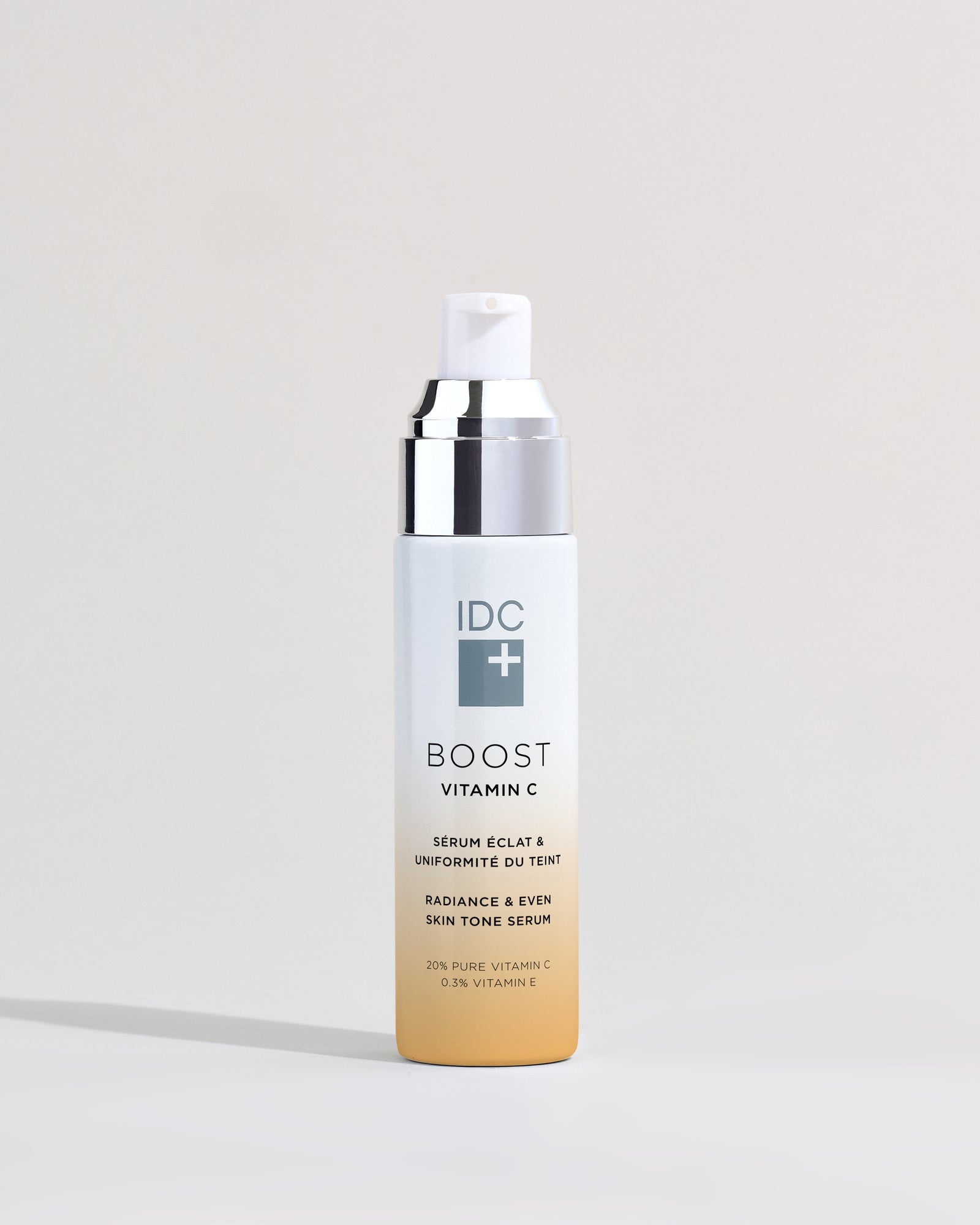
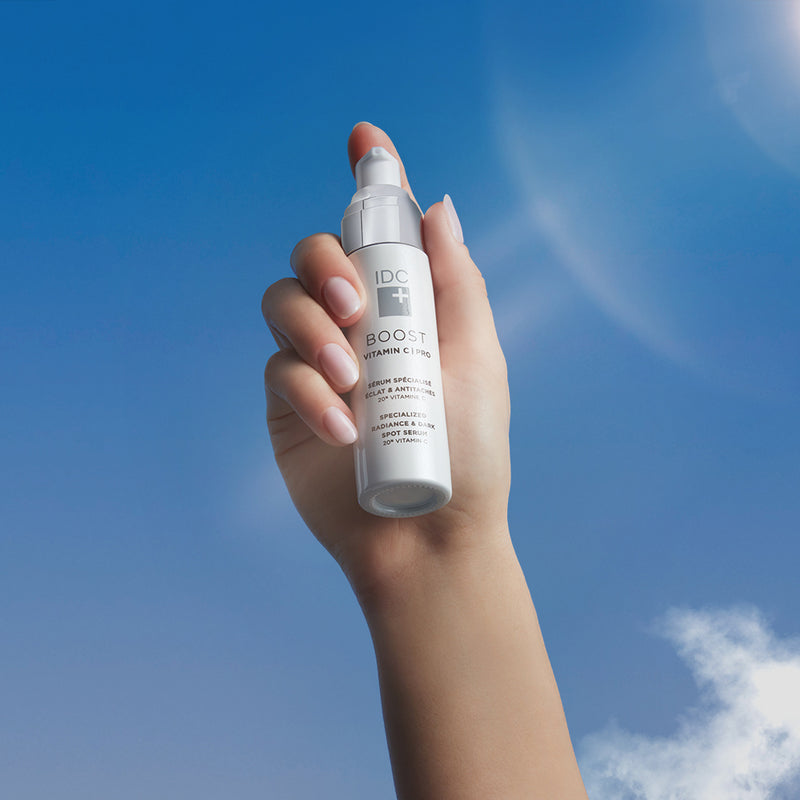
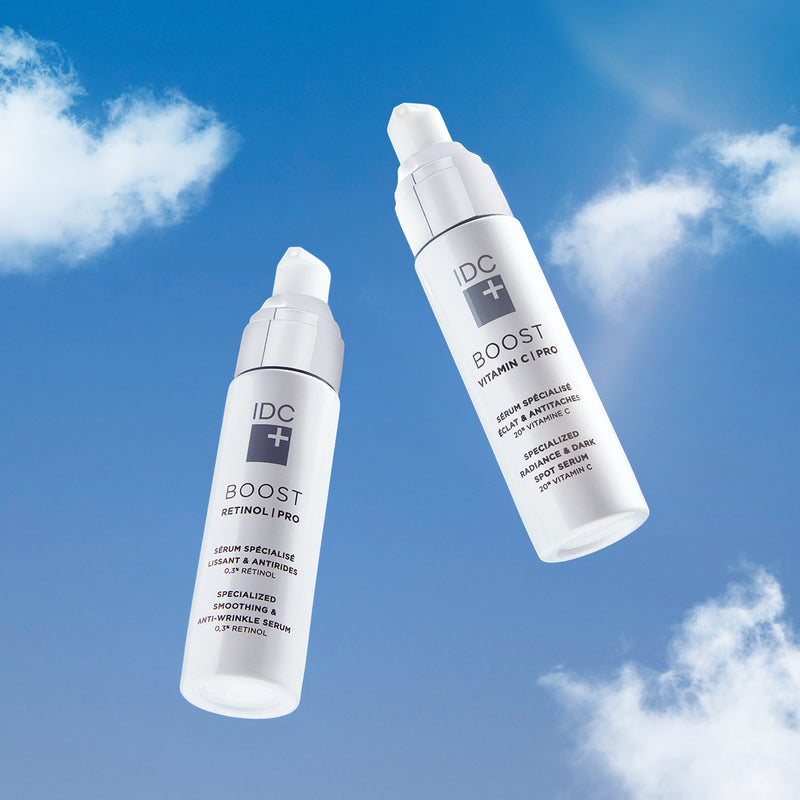
Formulated with 20% Pure Vitamin C and enriched with Vitamin B5, Vitamin E and Hyaluronic Acid, this powerful serum helps protect skin against environmental damage, including from UV rays.
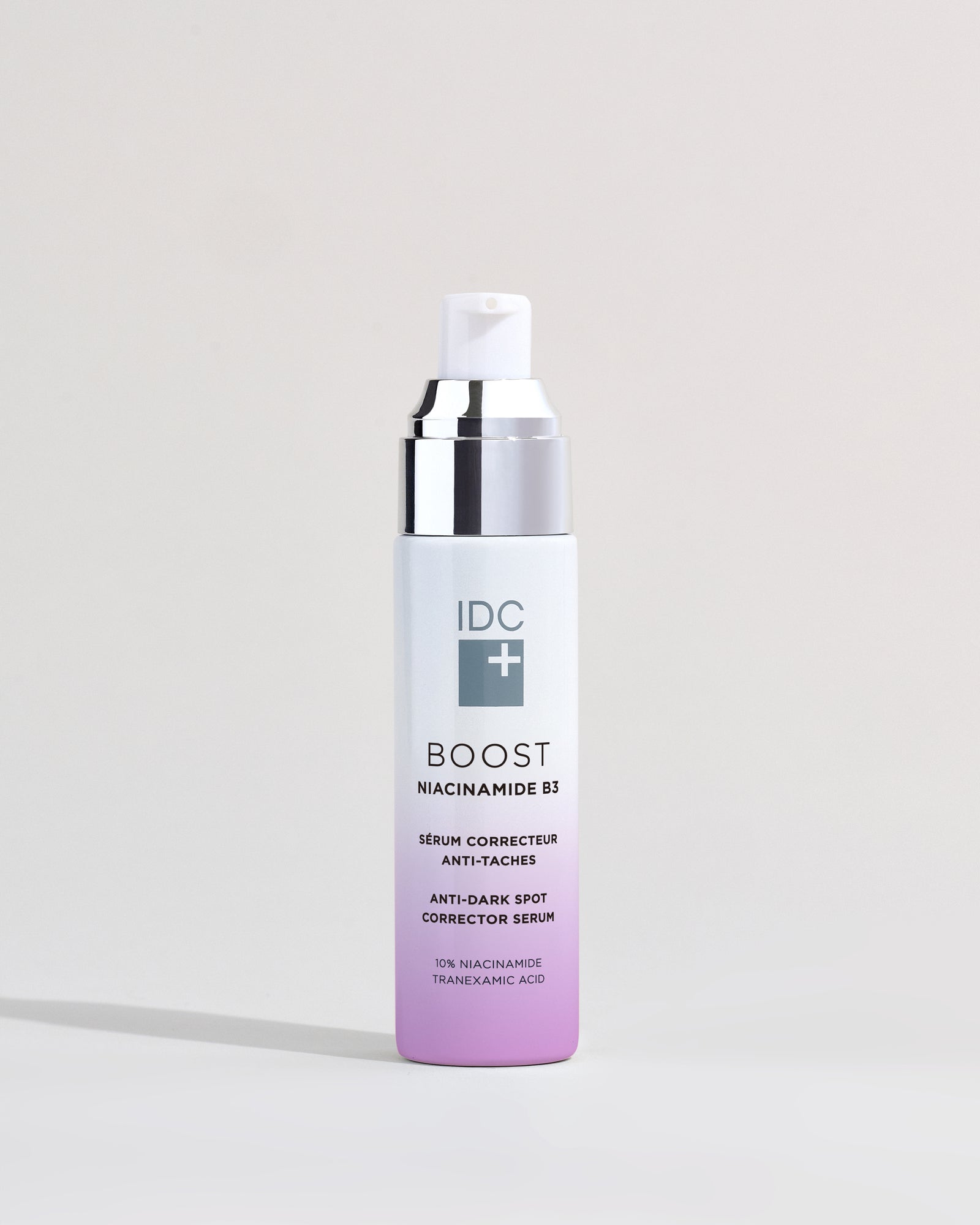
A comprehensive treatment designed to target three stages of hyperpigmentation. This formula combines Tranexamic Acid to block tyrosinase synthesis and soothe underlying inflammation, Niacinamide to stop pigment transfer, and microalgae to actively brighten the skin's surface.
Daily Cream
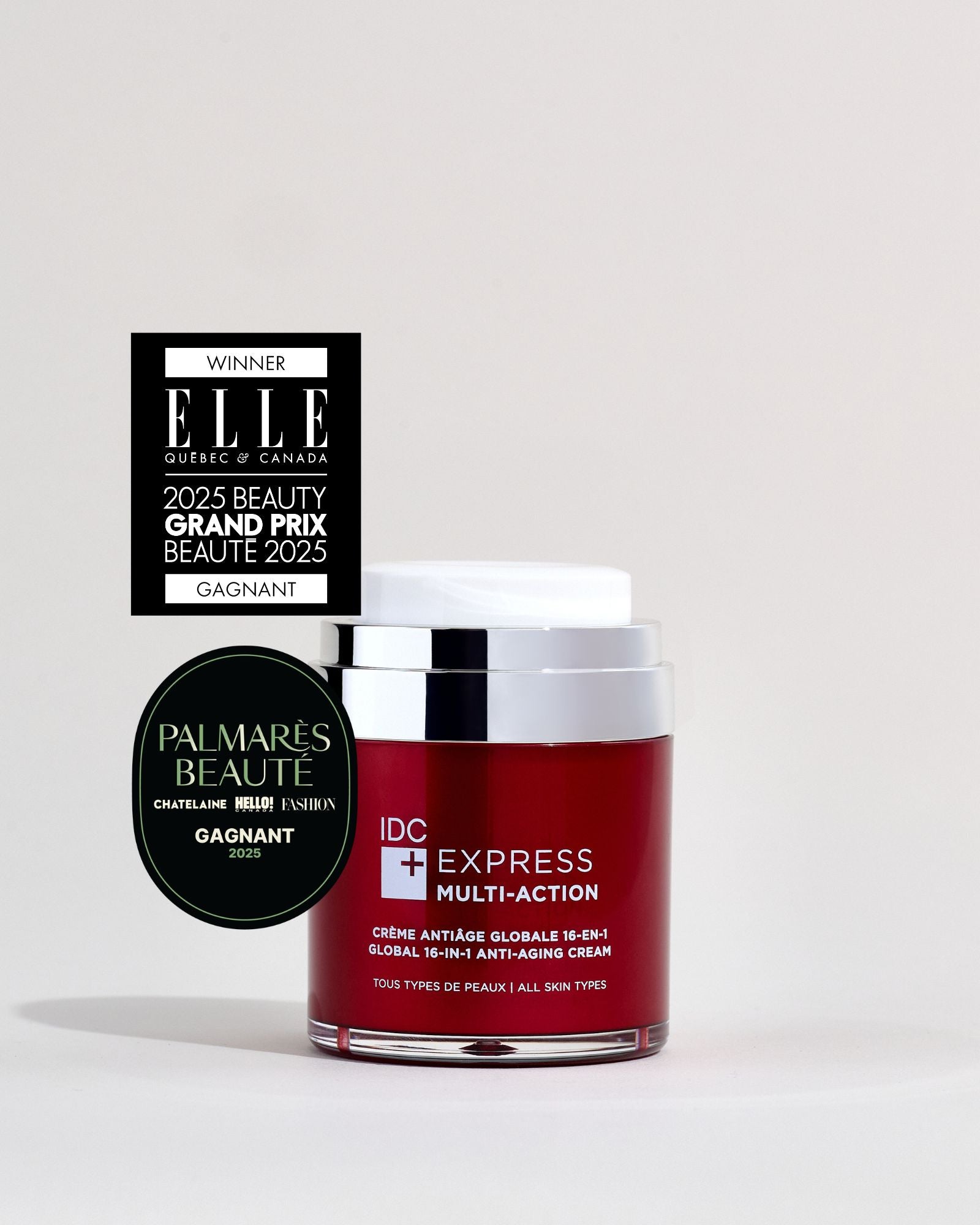
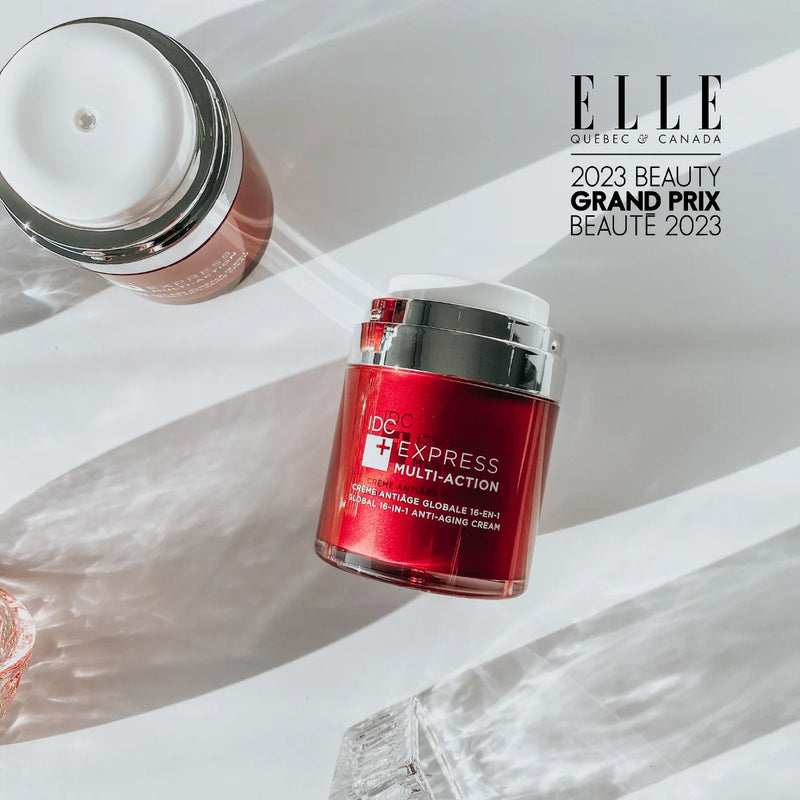
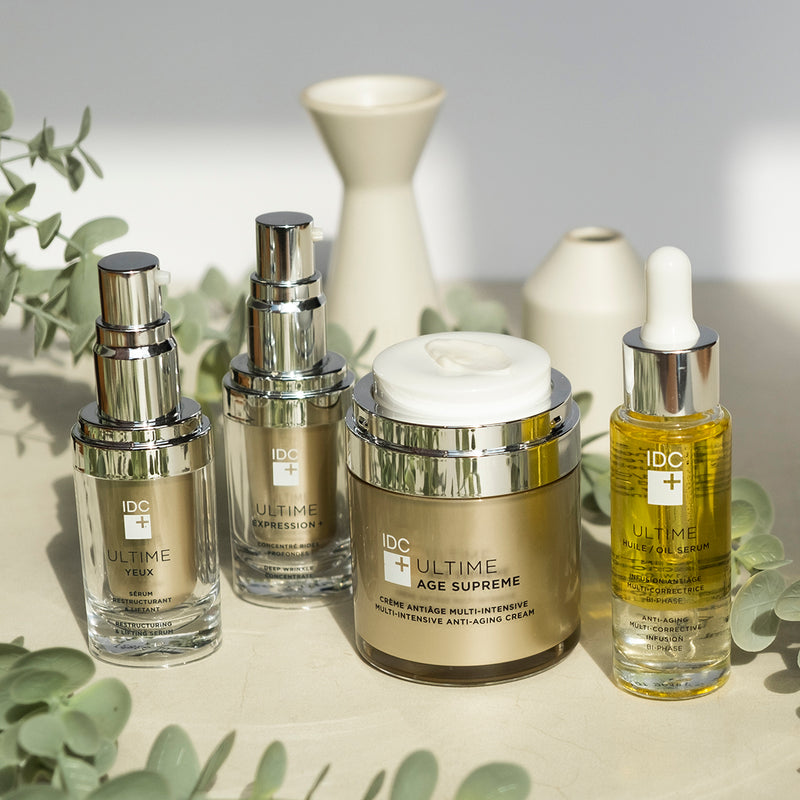
Formulated with our patented ReGen16 protocol and enriched with clinically proven anti-aging actives, this multi-tasking face, eye, and neck cream deeply hydrates while working on 16 signs of aging, including the formation of dark spots.
Sunscreen
With a high PA++++ rating, this SPF 50+ mineral sunscreen offers high broad-spectrum UVA coverage to protect your skin from the UV rays that activates melanin in the first place.
Reapply every two hours, or after swimming and sweating excessively. The Mineral Sunscreen powder makes reapplying easy on-the-go and over makeup.
Night Treatments:
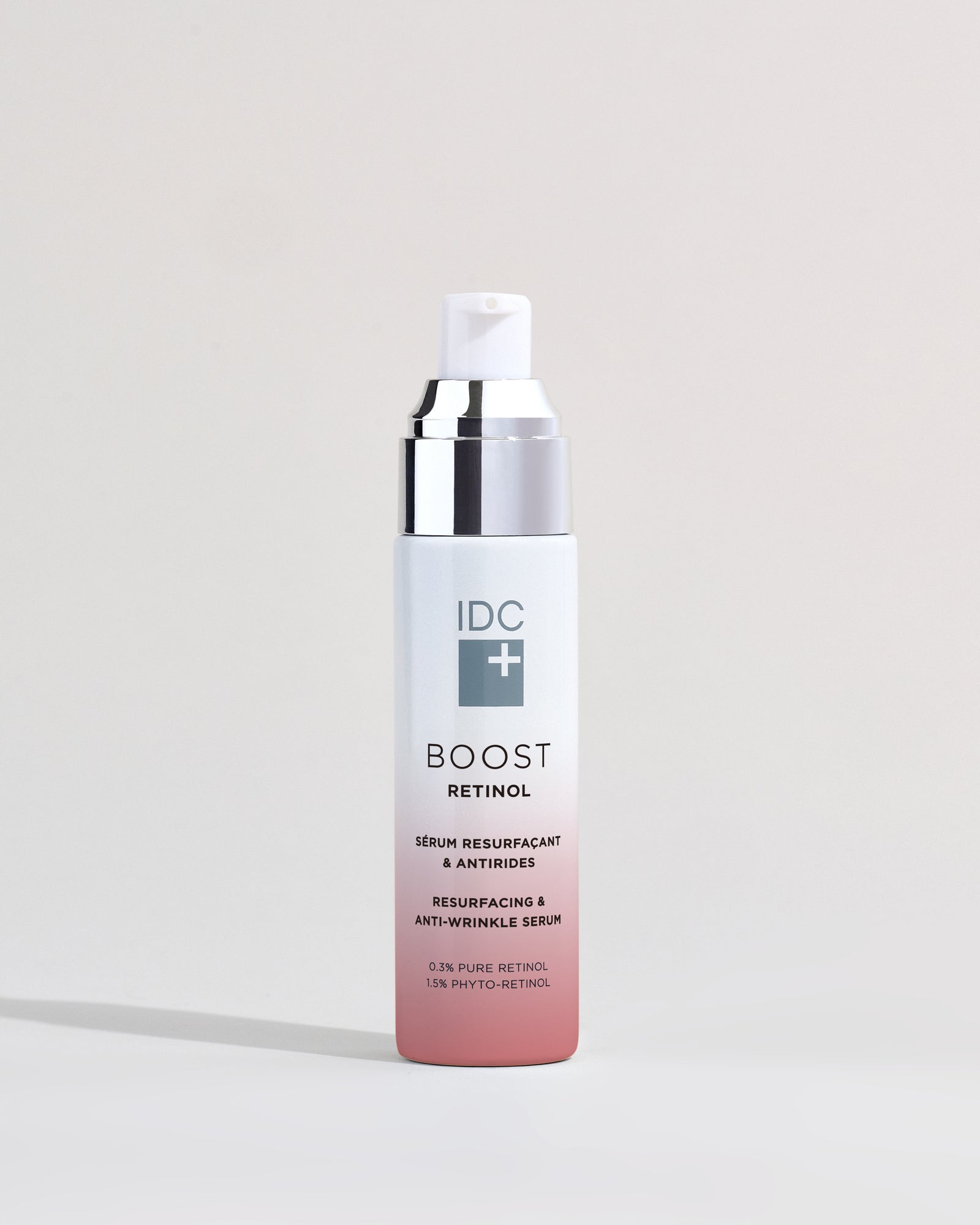
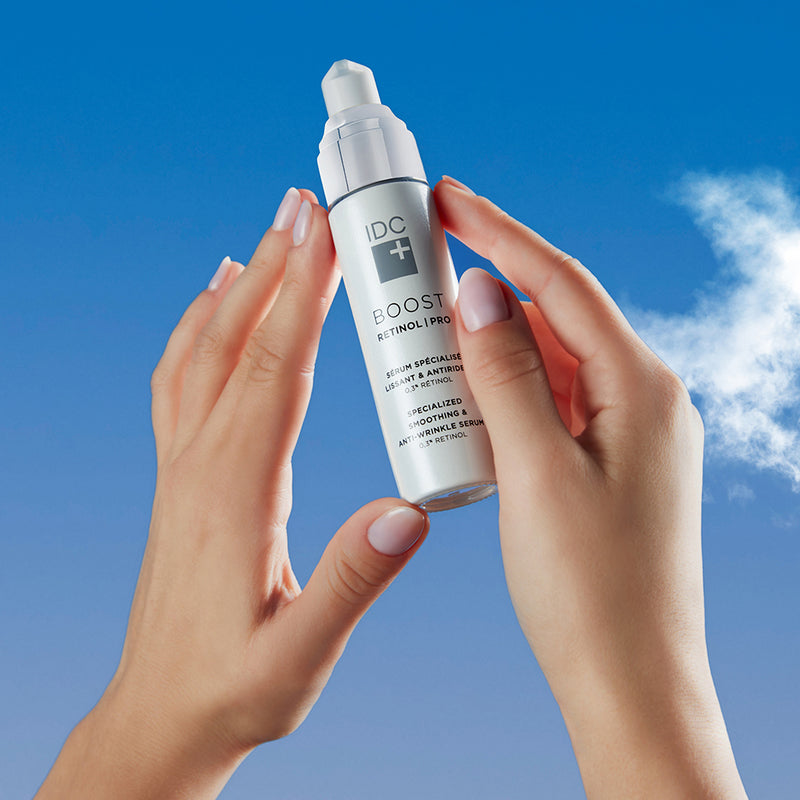
Boost Retinol (0.3%): 2-4x per week
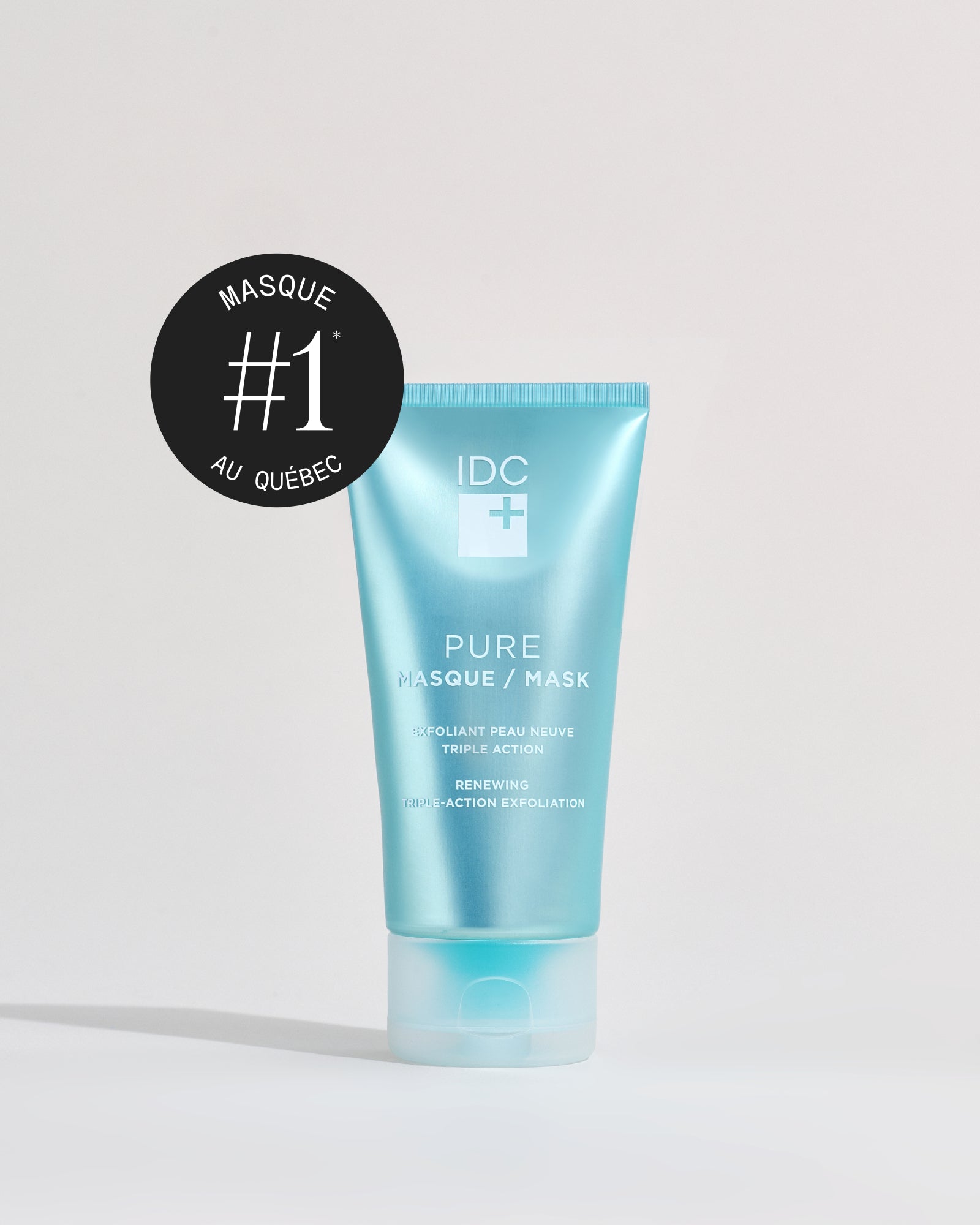
Our 0.3% Retinol is gentle enough for consistent, low-irritation use. It accelerates cell turnover to quickly fade visible, stubborn dark spots on the surface. Tip: Rotate this in your evening routine with an AHA exfoliating treatment, such as our Pure Mask, for maximum brightening benefits.
Triple-action exfoliating mask, inspired by professional techniques by combining fruit acids, marine enzymes, and bamboo beads for smoother and brighter skin.
Sources:
Videira IF, Moura DF, Magina S. Mechanisms regulating melanogenesis. An Bras Dermatol. 2013;88(1):76-83. doi:10.1590/s0365-05962013000100009